
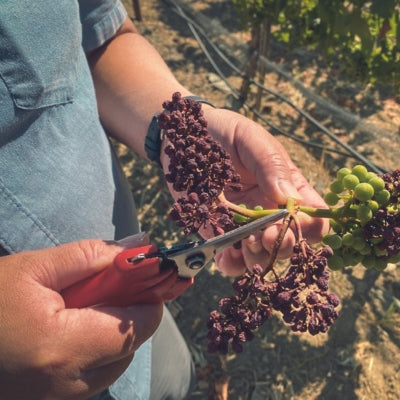
Vineyard threats: heat stress
In the first part of our series on vineyard threats and the impact of extreme weather, Westgarth Wines wine specialist Maurizio Broggi looks at the problems caused by excessive heat and the resulting heat stress.
The conditions for heat stress
Optimal conditions for promoting vine growth, metabolism, photosynthesis, and fruit ripening, typically occur below 86°F (30°C). Heat stress occurs when air temperatures exceed 95-104°F (35-40°C).
The impact of heat stress
This stress response disrupts physiological processes. Photosynthesis is particularly sensitive, which ultimately stops, and consequently sugar accumulation in ripening grapes is halted, hindering the development of red color pigments and ultimately diminishing varietal character in the fruit.
High temperatures directly impact vine metabolism, leading to increased respiration rates in grape berries. This phenomenon contributes to lower levels of malic acid, a key organic acid influencing flavor profile, in mature fruit from hot regions.
Furthermore, temperatures exceeding 90-95 °F (32-35 °C) can inflict damage on berries, ranging from superficial sunburn scars to complete berry death. The risk is further amplified for berries directly exposed to sunlight, which can experience temperatures 15 degrees higher than ambient air or shaded berries.
Water stress
Heat stress often coincides with water stress, particularly under conditions of intense sunlight, low humidity, and strong, dry winds. This creates a synergistic effect, as drought conditions exacerbate the negative impacts of heat stress on vines.
Preventative measures
The unpredictable nature of heat spikes presents a challenge for growers. However, in regions prone to high temperatures, implementing careful trellis design and canopy management practices can be effective strategies.
These approaches aim to minimize direct sun exposure and provide shade for developing fruit, thereby mitigating heat stress effects.
In Valpolicella, grapes for the production of Amarone are trained with the ‘pergola’, a traditional vine training system that provides shade to grape bunches, mitigating heat stress and sunburn.
The susceptibility of vines to heat stress also varies significantly between grape varieties. Planting cultivars known for their heat tolerance, such as Grenache, Carignan, or Nero d'Avola, provides an additional viticultural tool to combat the challenges posed by rising temperatures and heat stress.
Want to read more? Take a look at some of our other blogs:


