
The art of blending: the fundamentals
In the first part of our series on the art of blending, Westgarth Wines wine specialist Maurizio Broggi looks at the fundamentals of blending and the reasons for its use in winemaking.
Blending is a vital part of the winemaking process, as virtually all wines are essentially blends of different vessels, grape varieties, clones, vineyards, regions, winemaking techniques, and maturation procedures.
In some cases, blending represents an artistic endeavor, allowing winemakers to either express the unique characteristics of a vintage and vineyard site or maintain consistency in their wines. In France, blending is known as Assemblage, which refers to the process of selecting the most suitable lots of wine that will be combined to form the final blend.
Reasons for blending
At the most basic level, blending corresponds to the simple procedure of physically combining wines stored in different vessels for homogenization, a process typically carried out before bottling. On a deeper level, however, blending is also one of the major contributors to the style, quality, and character of a wine.
A meticulous process
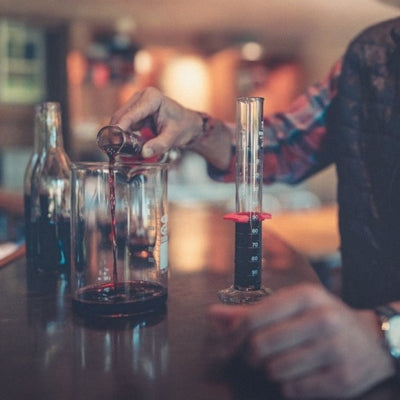
Creating a blend involves an iterative journey, where various wines are skillfully combined in varying proportions. Through tasting, winemakers try to achieve the optimal blend, which often diverges from merely selecting the best individual lots. Skilled blenders grasp how the structural elements of each wine harmonize, resulting in a final blend that transcends the sum of its parts.
Remarkably, even a modest addition of 1 to 5% can significantly alter a wine’s character. For instance, the inclusion of press wine or a small addition of an aromatic grape like Gewurztraminer or Muscadelle in a white blend can significantly change the final organoleptic profile of a wine.
The science behind a blend
The chemistry of wine plays a significant role in the blending process, as the final blend may have specific goals for alcohol content, acidity, and residual sugar. During blending trials, both tasting and chemical evaluation are therefore indispensable.
Numerous well-known global wine brands are the result of extensive blending, often with wine made from grapes sourced from multiple regions. This ensures consistency in flavor and style, as well as meeting the necessary production volumes and price points.
Expression vs consistency
Utilizing a range of blending components, winemakers can significantly enhance complexity and achieve a harmonious balance in the final wine. The outstanding quality and unique character behind some of the world’s most exquisite wines such as Bordeaux and Champagne lie in their masterful and meticulous blending.
By comparison, in Champagne’s marginal climate blending serves as a crucial tool for maintaining consistent quality and a distinctive house style year after year, especially when dealing with significant vintage variations.
The impact of timing
The timing of blending may vary depending on the winemaker. Some prefer to blend as early as possible, allowing the wine ample time to integrate before bottling and minimizing the number of lots to manage in the cellar.
Others opt to wait until closer to bottling, gaining a better understanding of each component wine’s character. While this approach is beneficial for expressing the nuances of newer vineyards, it does necessitate handling a greater number of individual lots during the aging process.
In other cases, such as Champagne or Sherry, blending must take place at specific stages of the winemaking process.
Want to read more? Take a look at some of our other blogs:


